The winter season is upon us in Tennessee. Even though the winters in this region are milder than in other parts of the country, that doesn’t mean measures shouldn’t be taken to shield your vehicle’s transmission from what winter brings: freezing nights, rain, ice, and slush, all of which can affect it over time. In today’s blog, we’re focusing on tactics you can employ to protect your transmission from winter weather.
Why Is It Important to Protect Your Transmission?
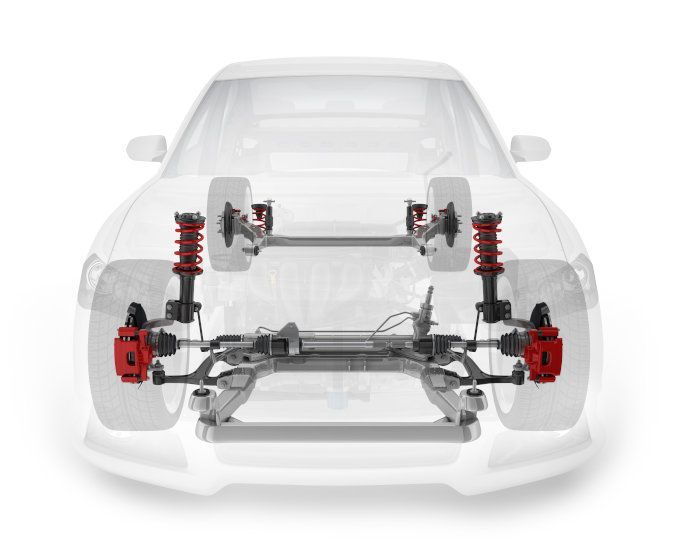
What difference does it make if the transmission receives special protection or not? Will it make any difference? Simply put, yes. It’s critical that drivers take preventative measures to protect their vehicle’s transmission because their vehicle cannot function properly or safely without it. The transmission manages the shifting of gear ratios, and the mechanical parts within the system are intricately interconnected.
What Happens to a Transmission During the Winter Months?
The first step towards preventing damage to your transmission in the winter is to understand precisely what these cold months are doing to your vehicle. Knowing solutions for each of these problems will help prevent these issues or allow you to deal with them properly if they should happen.
Gears
The Problem: The cold weather can affect fluid and lubrication, which can cause things to move a bit slower and harder, which then causes the transmission to shift harder. It’s not just an inconvenience, either, since harder shifting means that various components are put under undue stress, increasing the likelihood of faster wear or even failure.
The Solution: Storing the vehicle out of the cold will help prevent low temperatures from affecting the metal components within the transmission. Slower driving for the first few miles to allow the vehicle to warm up will also take pressure off the gears.
Water Intake
The Problem: When it comes to a transmission, water is enemy number one. If even small amounts of water make it into the transmission's inner workings, disaster starts to ensue. If you fail to properly deal with any water intake, you can end up with a failed transmission that needs a (costly) replacement. The fact is that your transmission band and clutch linings naturally absorb water, which sooner or later gets onto the metal backings where rust can occur, causing the linings to lift right off.
The Solution: Avoid driving your vehicle into any standing body of water, no matter how shallow. If there’s standing water on the road, slow down and try your best to go around the water. If you get stranded in deeper water, you should not attempt to start the engine under any circumstances.
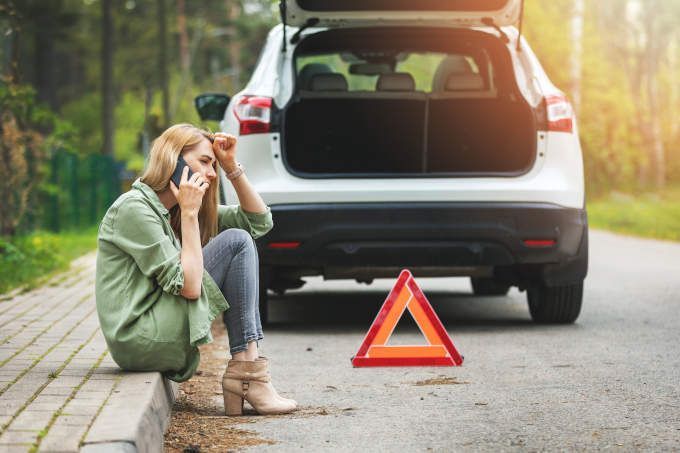
If you have any reason to believe water has made its way into your inner transmission, immediately call for roadside assistance.
Does Driving Behavior Impact My Transmission in Winter?
Mechanical issues do not entirely cause problems with the transmission in winter. There are also driver behaviors that can lead to damage and other negative impacts on the transmission.
Excessive Idling
In the previous section, we discussed the need to warm up your vehicle in winter. This is still the case, but the way we need to do that has changed. Four decades ago, leaving the vehicle idling on the driveway was the standard way to warm a vehicle up before travel. This does not work on more modern vehicles—especially those with automatic transmissions.
Idling the vehicle while it is in Park “P,” for example, means that the main components are whirring away, but without the proper lubricating oil getting through. While in Park, oil flow doesn’t begin. Therefore, it’s better to start the vehicle up, then just drive slowly for the first few miles while your vehicle warms up.
Leaving your vehicle idling can leave you vulnerable to becoming the victim of a “puffer”—a vehicle thief specializing in stealing idling vehicles—or getting the attention of the police. In 31 out of 50 states, it’s against the law to leave your vehicle idling!
Interactions with Snow and Ice
One other set of behaviors in winter that’s bad for our transmission is how we deal with getting stuck in the snow or on an icy patch of the road when the occasional winter storm hits. The common reaction to this situation is just to spin the wheels to try and drag oneself out of it, which makes sense in our minds. Mechanically, however, this is a terrible idea.
Why? Because as you're spinning your wheels, your transmission fluid can reach critically high temperatures because no air is moving around the transmission or through the radiator to keep the fluid cool. If your tires spin long enough, transmission fluid can become so hot it can warp and damage the inside of your transmission. Also, transmission fluid has a much shorter lifespan when overheated. The best course of action is to call roadside assistance.
Vehicle Maintenance Matters Most
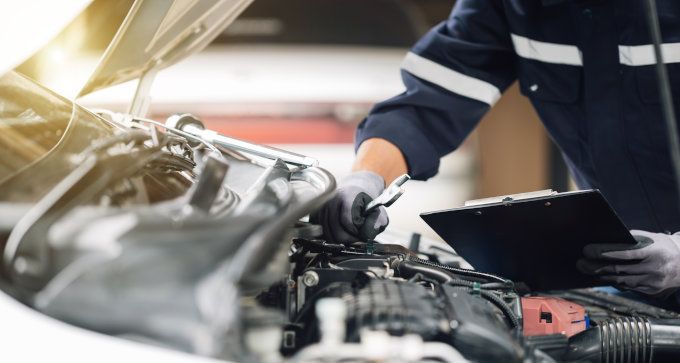
Ultimately, regular servicing of your vehicle to identify and prevent the worsening of minor issues is the best way to avoid premature damage caused by the winter cold. Consider timing your vehicle’s annual service right before winter sets in so that you can ensure your vehicle is in tip-top condition to face the chill fearlessly. If you haven’t already, get your vehicle checked out as soon as possible by
scheduling an appointment with AAMCO Knoxville today!