Transmission repairs are among the most daunting costs that you can incur over the life of your vehicle, so learning how to maintain your vehicle’s transmission is critical. Let’s take a look at what you need to know about your vehicle’s transmission, how to spot trouble, and a quick walkthrough of the transmission repair process.
What is a Vehicle Transmission and Why Is It Important?
A transmission is a system of mechanical, electrical, and hydraulic components that connects and transmits the power from your car’s engine to the wheels. It does this by distributing the engine's power to the wheels and automatically changing the gear ratios to optimize the engine power, efficiency, and reliability. The gear ratios help the engine stay in the proper power band to push your car faster or help slow it down when deaccelerating. Without a properly working transmission, your vehicle will have unpredictable power regulation and performance response, which can be a safety hazard on the road.
Signs of Transmission Trouble:
It is essential to know the early signs of transmission failure in different types of transmissions. Detected early enough, you can fix a transmission with minor repairs. Ignoring any following symptoms may lead to complete transmission failure and major repair expenses.
General symptoms for vehicle transmissions:
- Slipping Gears:
Poor or unpredictable acceleration when shifting between gears and experiencing unusual revving of your engine is a troubling sign of transmission issues and should be inspected immediately.
- Burning Smell: A burning smell from the transmission is an indication that the system may be overheating, the transmission fluid is burning, and serious damage is occurring.
- Noises When in Neutral:
Transmission noise while the vehicle is in neutral can mean that the vehicle may have a problem with the torque converter, transmission pump or that it is low on transmission fluid, and you have a transmission system leak. In more extreme cases where the pump, converter, or associated parts have become damaged, the vehicle may need a complete transmission replacement.
- Leaking Fluid: Your vehicle may be leaking transmission fluid. Low fluid is a sign of a leak, and an extremely low fluid condition can cause serious damage. The fluid color may vary due to several factors, such as overdue maintenance, overheating fluid, contaminated fluid, or incorrect fluid. Healthy, fresh fluid is light in color and doesn't have a burnt smell.
- Check Engine Light On:
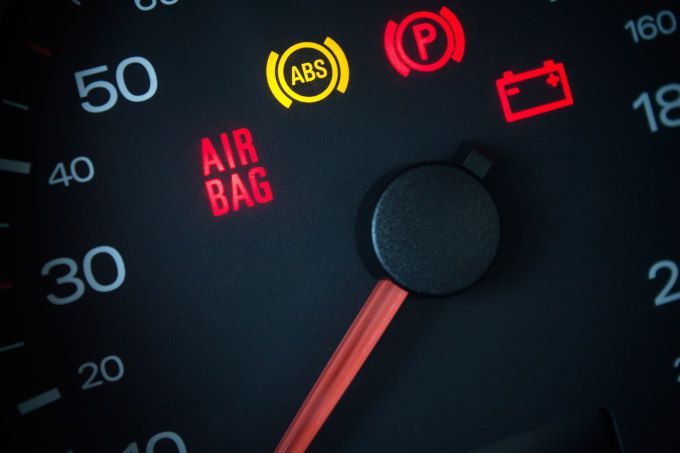
A check engine light (CEL) may be illuminated for several reasons and is not restricted to your engine. Transmission trouble may trigger a check engine light (CEL). Any warning lights should be diagnosed immediately at a professional repair center.
- Unusual sounds: If you hear any humming, whining, clunking or louder-than-usual noises, have the transmission inspected as this could be a sign of major problems.
- Unresponsive:
If your transmission is not responding when attempting to shift into drive or reverse, this is a sign of a significant issue and should be taken into a professional service center.
Symptoms specific to manual transmissions
If you have a manual transmission, most all of the symptoms above can apply to signs of transmission or clutch trouble, but with an extra few listed below that deal primarily with the clutch:
- Difficulty shifting gears: The transmission is not allowing you to shift gears properly, smoothly, or it is popping out of gear.
- Grinding or grumbling noises:
These noises may occur when pressure is applied to the clutch pedal or while driving down the road in a particular gear or gears.
- The clutch pedal feels “odd”:
If your clutch pedal sticks, vibrates, feels spongy, low, or loose, these are all indications of a possible clutch system issue.
Symptoms specific to CVT transmissions
Continuously Variable Transmissions (CVTs) use a variable pulley and metal push belt system to vary the gear ratio instead of traditional transmissions that use fixed gears and ratios. Errors within this type of transmission can include the symptoms listed above for automatic transmissions but can also encompass a few others:
- Sudden jerking, lurching, or acceleration: Such unexpected and awkward movements can be alarming (and dangerous!) and may signal an issue with the transmission fluid (a leak or diminished quality), push belt and pulley problems, or other internal parts of the CVT.
- Delayed or slow shifting:
When shifting the car into reverse or drive, there is a slight hesitation—or delay—before moving.
- Shaking at high speeds:
A car with the shakes can indicate various tire, suspension, brake, or driveline issues but can also be associated with transmission errors when paired with other noticeable symptoms, such as delayed driving, slow or slipping shifting, and burning smells.
Steps to Have Your Transmission Repaired
Having your transmission repaired doesn’t have to be complex. Here’s a four-step process on what to expect and how to have your transmission repaired:
1. Choosing a Transmission Repair Center
Transmission inspection and diagnostics should always be done by a professional repair center specializing in transmission repair. Here are a few basic pointers to help narrow down the field:
- Obtain recommendations from trusted sources, such as neighbors, friends, and family.
- Carefully read online reviews from reputable sources such as Google, Yelp, and others that can indicate a repair center’s customer service level and reliability of repairs.
- Make sure the technicians are professionals and certified in transmission repair.
- The process should include an accurate estimate of the total repair cost in writing, with your signed permission before beginning any work.
- Ask about warranties. Any transmission repair center that is honest and performs quality work will ensure service with a warranty.
2. Diagnose the Problem
Once you have selected the right transmission center, the technician will get to work on diagnosing your transmission problem. The specialist will use diagnostic tools during a transmission inspection, perform a visual inspection of the transmission and related systems, and take your vehicle for a test drive. This will help the technician understand and replicate your concern, and experience what may be wrong with the transmission. Some common issues a technician may find are:
- Leaking transmission fluid
- Low or poor condition transmission fluid
- Clogged transmission filter
- Worn gears
- Bad clutch or clutch issues
- Torque converter issues
- Diagnostic trouble codes
- Computer and communication problems
- Engine performance and other related system problems affecting the transmission
- Wiring or solenoid issue
3. Discuss Your Options
Once the repair center has detected the source of the issue, they will discuss the best available repair options. These options will likely include a conversation about a minor repair. If a major internal problem with the transmission is discovered, a rebuilt vs. remanufactured transmission may be discussed. Repair recommendations can also be influenced by your budget, the type of transmission you have, the issues you’re experiencing, and the overall condition of your vehicle, among others.
Better Transmission Maintenance for the Future
The best way to prevent significant repair and replacement costs with your transmission is to practice proper and timely routine maintenance. Here’s a look at four ways that you can keep your vehicle’s transmission in top shape.
- Don’t skip routine maintenance:
Routine maintenance is the most cost-effective way to keep your vehicle in top shape. Auto experts recommend that your transmission fluid be inspected at every oil service. Also, ensure that the transmission fluid is replaced every 30,000 to 60,000 for manual transmissions and CVT vehicles and every 60,000 to 100,000 miles for automatic transmission vehicles. This can vary depending on how and where you drive. Check your owner’s manual for specific mileage and time intervals.
- Know signs of trouble:
Early detection will save you headaches and money down the road. Know the signs of transmission trouble such as leaking fluid, slipping or delayed shifts, burning smells, and strange sounds from your transmission. Don’t wait to have your vehicle checked when you experience any symptoms.
- Always use a transmission expert:
Be sure to use a transmission expert for all transmission maintenance and repair work.
- Avoid driving behaviors that can affect the life of your transmission:
Avoid straining your vehicle’s transmission by carrying or towing excessively heavy loads, aggressive stop-and-go driving, tire burnouts, rocking the vehicle when stuck in mud or snow, and sloppy shifting.
Looking for a Trusted Transmission Shop in Knoxville, TN?
AAMCO Knoxville is an experienced, reliable transmission repair shop with the right transmission experts for your transmission and car care needs.
Schedule an appointment with us today!